How to Choose a Desentupidora Peruíbe: Costs, Value and What You Actually Get
If you need a desentupidora Peruíbe, the short answer is this: expect to pay for diagnosis, access, and the method used, not just for “unclogging.” A simple sink or floor drain can be a quick, low-cost job, while a blocked main sewer line or a full septic tank requires heavier equipment and a higher price. The real value comes from choosing a provider that explains the cause, shows you the equipment, and gives a clear price before starting.
I train beginners in this trade, and the first lesson is always the same: price alone tells you almost nothing. Two quotes for the same blocked drain can differ by hundreds of reais because one includes camera inspection, proper cleanup, and a guarantee, while the other is a quick poke with a manual snake. This article walks you through what you are actually buying, how the costs break down, and how to compare offers without getting burned.
What a Desentupidora Peruíbe Actually Does and What You Pay For
In Peruíbe, as in most coastal cities, the plumbing problems are shaped by the environment. Sandy soil, older residential streets, seasonal population swings, and heavy summer rain all put pressure on drains and sewage lines. A professional desentupidora Peruíbe SP team deals with three broad categories of work: simple clogs in sinks, toilets, and floor drains; main sewer line blockages; and maintenance of septic tanks and grease traps. Each category has a different cost structure.
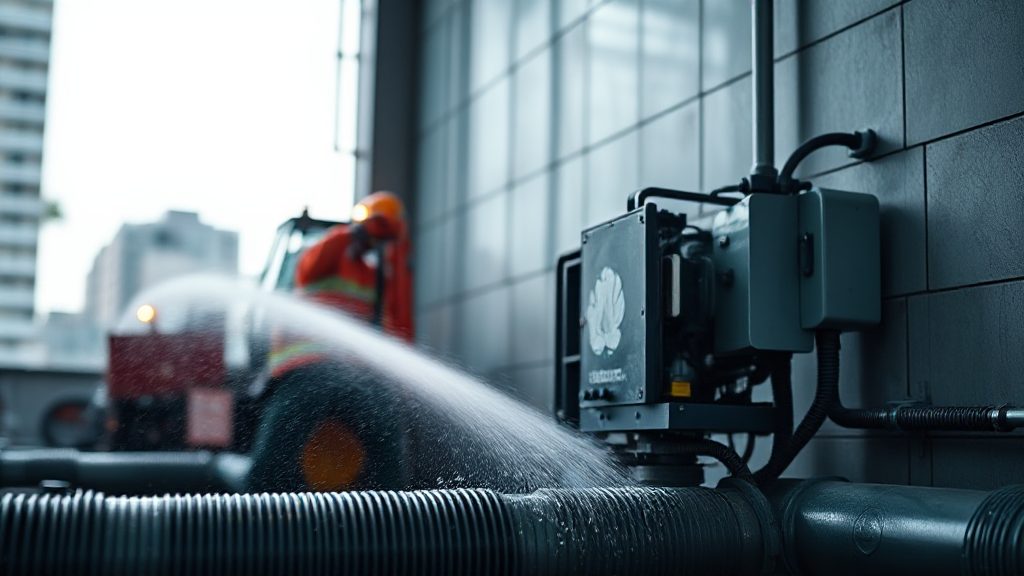
When you call a provider, you are not just paying for the hour of work. You are paying for the equipment, the operator’s experience, the travel time, and the disposal of the waste removed. The price should reflect the method, the access difficulty, and the risk involved, not an arbitrary flat fee. A team that arrives with a manual auger and a plunger is not the same as one that brings a motorized snake, a hydrojetting unit, and a camera.
Types of clogs and the methods used
Beginners often think every clog is the same. In practice, the method determines both the cost and the result. Here are the main types you will encounter and what they typically involve:
- Soft blockages (soap scum, hair, food residue): usually cleared with a manual snake or a small motorized auger. Lower cost, quick job.
- Hard blockages (tree roots, hardened grease, scale): require a heavier motorized snake or hydrojetting. Higher cost, longer job.
- Main line blockages: often need camera inspection to locate the problem, plus hydrojetting or excavation in severe cases. This is where quotes vary most.
- Septic tank and grease trap issues: not a clog but a maintenance job. Requires pumping and proper disposal, priced by volume and access.
Ask the provider which method they plan to use and why. If they cannot explain it in plain language, that is a warning sign. A good desentupidora em Peruíbe SP will tell you upfront whether a simple snake will do or whether you need hydrojetting, and they will explain the difference in outcome.
The cost breakdown: what you are really paying for
Let me break down the typical components of a quote so you can see where the money goes. These are the line items a trainer would teach a beginner to look for:
- Call-out or inspection fee: covers travel and initial diagnosis. Some companies waive it if you proceed with the service.
- Labor and equipment: the operator’s time plus the machine. Hydrojetting costs more than snaking because the equipment is expensive and requires skill.
- Access and complexity: a drain under a sink is easy; a sewer line under a concrete slab or behind a wall is not. Access difficulty drives price.
- Waste disposal: removed material must be transported and disposed of legally. This is a real cost, especially for septic tank pumping.
- Guarantee and follow-up: a provider who offers a warranty on the work is pricing in the risk of a return visit. That is value, not padding.
When you compare quotes, compare line by line. A cheap quote that excludes disposal or guarantee is not cheaper in the long run. A clear, itemized quote is the single best indicator of a professional provider.
Comparing Providers in Peruíbe: A Practical Cost and Value Table
Below is a comparison of the three common provider profiles you will find in Peruíbe. This is not about specific companies but about the types of offers you will see. Use it to judge what you are getting for the price.
| Provider profile | Typical price range | What is included | What to watch for |
|---|---|---|---|
| Handyman or general plumber | Low | Manual snake, basic tools, simple clogs only | May lack equipment for main lines; no guarantee; waste disposal unclear |
| Mid-range desentupidora | Medium | Motorized snake, basic hydrojetting, camera inspection on request | Ask if inspection and disposal are included; check guarantee terms |
| Full-service emergency provider | Medium to high | 24h service, hydrojetting, camera, septic tank pumping, proper disposal, guarantee | Higher upfront cost, but fewer surprises and better long-term value |
The table shows why the cheapest option is rarely the best value. A handyman might clear a simple sink clog for a low price, but if the problem is in the main line, you will pay twice: once for the failed attempt and again for the proper job. A full-service provider costs more but reduces the risk of a repeat blockage.
In Peruíbe, seasonal demand matters. During peak summer months, when the population swells and heavy rain is common, emergency calls spike. A provider that operates 24h and has its own equipment will charge more for after-hours or holiday service, but they are the ones who actually answer the phone when your sewage is backing up at night. Availability is part of the value, especially for condominiums and commercial kitchens.
What “value” means in practice
Value is not the lowest price. Value is the total cost of solving the problem, including the risk of it coming back. A job that is done properly the first time, with the right method and a guarantee, is cheaper than three cheap attempts. When you evaluate a quote, ask these questions:
- Does the price include inspection to find the actual cause?
- Is the waste removed and disposed of legally?
- Is there a written guarantee, and for how long?
- Will they show you the equipment and explain the method?
- Do they charge extra for after-hours or weekends?
A provider who answers all five clearly is giving you a fair picture. One who dodges or gives vague answers is a risk. As a trainer, I tell beginners to treat the quote conversation as a test: if they cannot explain the plan, they cannot execute it well.
Common mistakes that raise the final cost
Most cost overruns come from avoidable mistakes. Here are the ones I see most often in training and in real jobs:
- Choosing on price alone: leads to repeat visits and sometimes damage to pipes from improper tools.
- Ignoring the cause: clearing a clog without finding out why it formed means it will return. Roots, grease buildup, and collapsed pipes need a permanent fix.
- Skipping maintenance: septic tanks and grease traps need periodic pumping. Neglect leads to emergencies that cost far more.
- Not asking about disposal: illegal dumping is a real problem and can create liability for the property owner.
- Hiring without a guarantee: if the clog returns the next week, you pay again.
Each of these mistakes turns a manageable cost into a larger one. The fix is simple: ask questions, get it in writing, and choose a provider who educates you instead of rushing you.
How to Get the Best Result and Value from Your Desentupidora in Peruíbe
Now that you understand the cost structure, here is how to put it into practice. The goal is to get the problem solved correctly at a fair price, with no surprises. Follow these steps when you contact a provider.
- Describe the problem precisely: which drain, how long it has been happening, whether there is a bad smell, and whether it affects multiple fixtures. This helps the provider quote accurately and bring the right equipment.
- Ask for a diagnosis before the quote: a professional will want to understand the cause. If they quote without asking questions, be cautious.
- Request an itemized quote: labor, equipment, disposal, and guarantee should be separate lines. Compare like for like.
- Confirm the method: ask whether they will use a manual snake, motorized snake, or hydrojetting, and why. This tells you if they are matching the tool to the job.
- Check availability and response time: for emergencies, ask how quickly they can arrive and whether there is an extra fee for nights and weekends.
- Get the guarantee in writing: know what is covered and for how long.
When you follow these steps, you shift the conversation from “how much” to “what am I getting.” That is the mindset of a smart buyer. In a coastal city like Peruíbe, where plumbing systems face sand, rain, and seasonal stress, preventive maintenance is also part of the value. Ask about periodic inspection and cleaning for septic tanks and main lines. It costs less than an emergency.
Finally, remember that the provider you choose should be able to explain the work in plain language. A trainer’s rule of thumb: if they can teach you why the clog happened, they probably know how to fix it. Use the comparison table, ask the questions, and choose the provider that gives you clarity, not just a low number. That is how you get real value from a desentupidora in Peruíbe.