7 Requirements to Check Before Hiring a Desentupidora in Cidade Dutra
It is a Saturday morning in Cidade Dutra, the kitchen sink is backing up, and the water is rising toward the floor tiles. Before you dial the first number you find, there is a short list of things worth confirming. This article is written from the perspective of someone who compared several emergency plumbing options in the area and noted what actually separated a smooth repair from a costly mess.
The search intent behind desentupidora Cidade Dutra is practical: residents want a reliable team that can unclog drains, clear sewage lines, and handle emergencies without turning a small blockage into a renovation project. The seven checks below cover licensing, equipment, pricing, access, and after-service care, so you can decide with fewer surprises.
1. Confirm the Company Actually Serves Cidade Dutra and Surrounding Streets
Not every São Paulo desentupidora covers the southern neighborhoods. A company based far away may quote a low price and then add a travel surcharge, or arrive hours later than promised. Ask directly whether the team operates in Cidade Dutra and how long a typical callout takes from the moment you confirm the job.
Local coverage matters because blockages often affect shared infrastructure. A team that knows the streets, the typical building layouts, and the local sewage network can diagnose faster. When comparing options, treat response time as part of the service, not a bonus. A guaranteed arrival window is more useful than a vague promise of same-day service.
If you are searching for a desentupidora Cidade Dutra São Paulo SP, confirm the service area in writing, including any condominium or commercial address. This avoids the awkward moment when the technician arrives and says the job is outside the coverage zone.
2. Verify Equipment, Licensing, and Emergency Availability
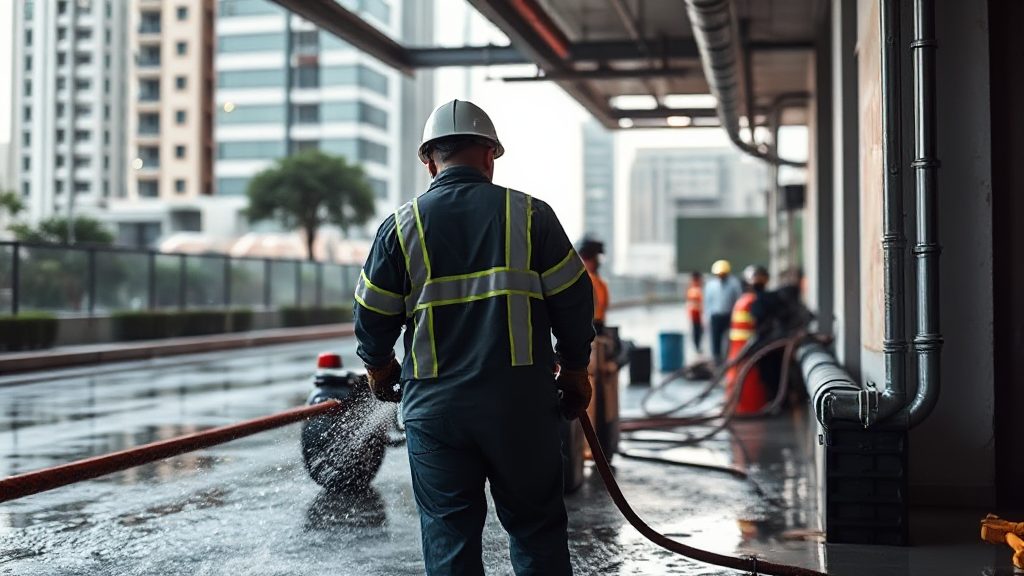
Desentupimento is not a one-tool job. A small bathroom sink may need a manual auger, while a main sewage line may require a motorized snake or hydrojetting equipment. Ask what the team carries on the truck. A company that only offers a plunger and a hand snake will likely need a second visit for serious blockages.
Licensing and insurance are less visible but equally important. A professional team should be able to explain its registration, provide a receipt, and carry liability coverage for damage to pipes or property. If a technician cannot answer basic questions about the company, treat that as a warning sign.
Emergency availability is another differentiator. Sewage backups rarely happen during convenient hours. Confirm whether the team answers calls at night, on weekends, and on holidays. A 24-hour dispatch line is essential if you manage a condominium or a restaurant where a blockage can halt operations.
For a broader look at how a full-service provider structures these offerings, you can review the desentupidora em Cidade Dutra São Paulo SP service page and compare the listed equipment against your building’s needs.
3. Ask for a Written Estimate and Clarify What Is Included
Price is where comparisons usually fall apart. Two companies may quote very different numbers for what sounds like the same job. The difference often lies in what is excluded: inspection, hydrojetting, pipe repair, or disposal of removed waste. Request a written estimate that separates labor, equipment, and any additional materials.
A transparent quote should state whether the price is fixed or hourly, and whether it changes if the blockage is deeper than expected. Some providers charge a diagnostic fee that is credited toward the repair. Others charge separately for camera inspection. Neither approach is wrong, but you should know before work begins.
Be cautious with quotes that are dramatically lower than the rest. In emergency plumbing, a very low initial price can lead to add-on charges once the technician is already on site. A clear written scope protects both sides and makes the final invoice predictable.
4. Prepare Access to Drains, Cleanouts, and the Sewage System
Before the team arrives, clear the area around the affected drain or cleanout. Move boxes, cleaning supplies, and floor mats. If the blockage is in a kitchen or bathroom, remove items from under the sink and protect nearby surfaces with old towels. This small step speeds up the job and reduces the risk of damage.
Know where your main cleanout is located. In many houses and older buildings in Cidade Dutra, the cleanout sits near the front wall or in a service area. If you cannot find it, tell the technician in advance so they can bring appropriate tools. For condominiums, confirm whether access to the shared sewage line requires a key, a code, or permission from the building manager.
If there are pets or small children, arrange for them to stay in a separate room during the service. Hydrojetting and motorized snakes are loud and can splash wastewater. A safe, clear workspace is part of the preparation, not an optional courtesy.
5. Check Reviews and Ask Specific Questions About Past Jobs
Online reviews are useful, but generic five-star comments tell you little. Look for reviews that mention the type of service, the neighborhood, and whether the problem returned. A company that handles sewage backups and hydrojetting regularly will have more relevant feedback than one that mostly clears kitchen sinks.
When you call, ask specific questions: How many emergency calls do you handle in Cidade Dutra per month? Do you use camera inspection before hydrojetting? What is your policy if the blockage returns within a few days? The answers reveal whether the team has a structured process or is improvising.
It also helps to ask whether the same team handles both residential and commercial jobs. A condominium manager needs a provider that can coordinate access, document the service, and issue an invoice suitable for building records. A homeowner may prioritize speed and a clear explanation of the cause.
6. Understand the Difference Between Unclogging and Fixing the Cause
Unclogging removes the immediate obstruction. Fixing the cause prevents it from happening again. Grease buildup, tree roots, collapsed pipe sections, and improper slope are common reasons drains back up repeatedly. A thorough provider will explain what likely caused the blockage and recommend a preventive step, such as hydrojetting or a camera inspection.
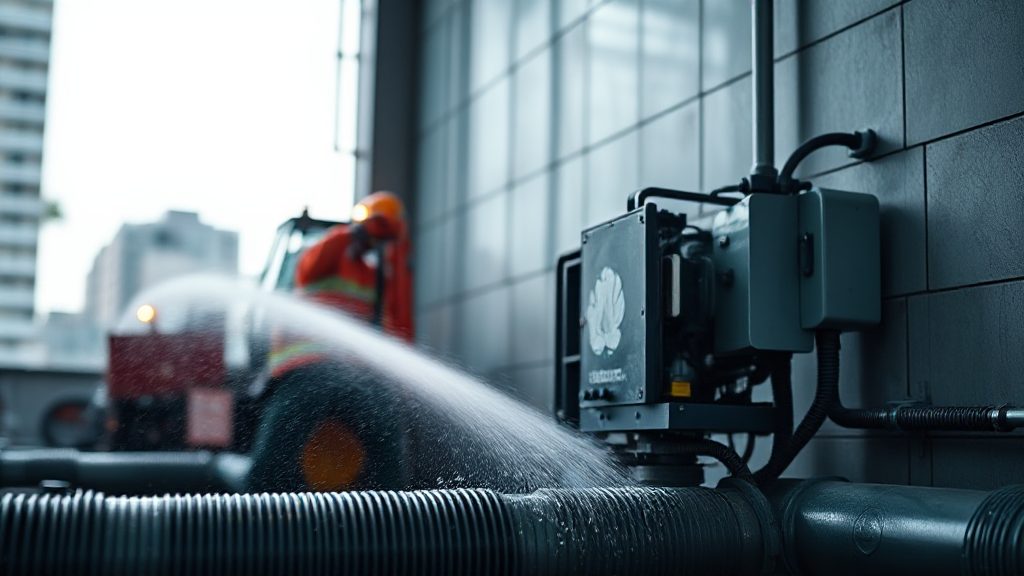
Hydrojetting uses high-pressure water to clean the inner walls of the pipe, removing grease and scale that a snake cannot reach. It is not appropriate for every pipe, especially older or fragile lines, so the technician should assess the material first. Camera inspection confirms whether the line is clear and whether cracks or root intrusion remain.
If a company only offers unclogging and cannot explain prevention, expect the same problem to return. A diagnosis before treatment is the mark of a professional service, and it is worth asking about even during an emergency.
7. Confirm After-Service Support and Documentation
After the job is done, ask for a service report or receipt that describes what was done, which equipment was used, and any recommendations. This document is useful for warranty claims, building records, and future maintenance planning. If the same drain backs up again, the report helps the next technician understand the history.
Ask about the warranty period. Many providers offer a short guarantee on the unclogging service, but the terms vary. Confirm whether the warranty covers a return visit at no charge and what conditions apply. A written warranty is more reliable than a verbal promise.
Finally, keep the contact information for the provider you choose. A reliable desentupidora Cidade Dutra team becomes a maintenance partner rather than a one-time emergency call. Scheduling preventive cleaning for shared lines and high-use drains can reduce the chance of a repeat blockage.
Quick Checklist Before You Confirm the Service
Use this list to compare providers side by side. It is designed to be practical, not exhaustive, and it works for both homeowners and building managers.
- Service area confirmed for your exact Cidade Dutra address.
- Written estimate with labor, equipment, and exclusions listed.
- Emergency availability and expected arrival window stated.
- Equipment suitable for the type of blockage described.
- Access to cleanouts and drains prepared before arrival.
- Reviews or references that mention similar jobs.
- Explanation of the likely cause and a prevention recommendation.
- Receipt, service report, and warranty terms provided.
Comparing alternatives is not about finding the cheapest quote. It is about matching the provider’s equipment, availability, and documentation to the real conditions of your property. A team that asks the right questions before starting is usually the one that finishes the job without leaving you with a bigger problem.